invisible disabilities
Invisible disabilities are conditions that significantly impact a person’s life but are not immediately apparent to others. Unlike visible disabilities, such as mobility impairments, these conditions can go unnoticed because they don’t manifest in outward physical signs. Examples range from chronic illnesses like fibromyalgia and diabetes to mental health disorders including anxiety, depression, and post-traumatic stress disorder. Awareness of invisible disabilities is crucial because misunderstanding or neglect can lead to unfair treatment, both socially and professionally.
People living with Invisible disabilities often face unique challenges in workplaces and public spaces. Since their conditions are not obvious, colleagues or employers may mistakenly perceive them as unmotivated, lazy, or exaggerating. This misconception can lead to discrimination or lack of accommodations, which affects performance and well-being. Understanding these hidden disabilities requires empathy, active listening, and an inclusive approach that recognizes the variety of ways a disability can present itself.
The legal landscape surrounding invisible disabilities is evolving. Employees with invisible disabilities are protected under human rights legislation in many jurisdictions, which obligates employers to provide reasonable accommodations. Failure to recognize or accommodate such conditions can have serious consequences for organizations. For instance, dismissing an employee because their invisible disability affects performance without offering support can lead to legal action, emphasizing the importance of informed management practices.
Healthcare professionals play a key role in supporting individuals with invisible disabilities. Early diagnosis, treatment plans, and continuous support are critical to improving quality of life. Additionally, workplace education programs can help colleagues understand and respect these conditions, reducing stigma and fostering a culture of inclusion. By acknowledging the challenges of invisible disabilities, companies can retain valuable talent and create a healthier work environment for all.
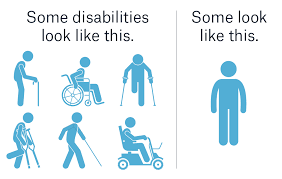
What are invisible disabilities?
Many employees with invisible disabilities are concerned about their rights in cases of employment disputes. The subkeyword Suing for wrongful dismissal due to physical disability highlights a situation where individuals may pursue legal action if they are unfairly terminated. While invisible disabilities are not always physical, similar protections apply, ensuring that employers cannot dismiss someone simply because their condition is not visibly apparent. Resources like htwlaw.ca provide guidance for individuals seeking to understand their legal options and advocate for their rights.
Support networks and advocacy groups are also essential for those managing invisible disabilities. These organizations provide resources, counseling, and community connections that help individuals navigate personal and professional challenges. When employers collaborate with such networks, they create a framework for understanding complex conditions and providing necessary accommodations. This proactive approach not only benefits employees but also enhances overall organizational productivity and morale.
Invisible disabilities often require adjustments to daily routines, work schedules, and workplace expectations. Flexibility is crucial, whether it involves remote work options, modified tasks, or access to mental health services. Awareness campaigns and training sessions can help organizations identify the subtle signs of invisible disabilities and respond appropriately. By implementing such measures, businesses not only comply with legal requirements but also foster a supportive and equitable environment for all employees.
Understanding invisible disabilities goes beyond legal obligations—it is a matter of ethical responsibility and compassion. By educating staff, offering accommodations, and creating open lines of communication, employers can ensure that individuals are not unfairly penalized for conditions that may be invisible to the naked eye. Encouraging transparency and respect benefits everyone, reinforcing a culture where diverse abilities are acknowledged and valued.
In conclusion, invisible disabilities present challenges that require awareness, understanding, and proactive measures from society and employers alike. Recognizing these conditions, providing necessary accommodations, and protecting the legal rights of affected individuals—including those who may be “Suing for wrongful dismissal due to physical disability”—are essential steps toward inclusion. Whether through workplace policies or legal guidance from experts at htwlaw.ca, individuals with invisible disabilities can pursue fair treatment and live with dignity. Awareness, empathy, and legal support together create a foundation where all abilities, seen or unseen, are respected and valued.